
Ductwork is necessary for your heating and cooling system to distribute conditioned air throughout your room. Comfort issues are typically the first to appear when ductwork starts to perform poorly. Temperatures may fluctuate, rooms may feel uneven, and energy costs may increase without apparent cause.
Ductwork issues all directly impact comfort, effectiveness, and the long-term health of the system, so understanding them is important. Early detection of warning indicators benefits Central Iowan homeowners and business owners. At Beeline Heating and Cooling, we help identify duct issues before they cause system strain or persistent discomfort.
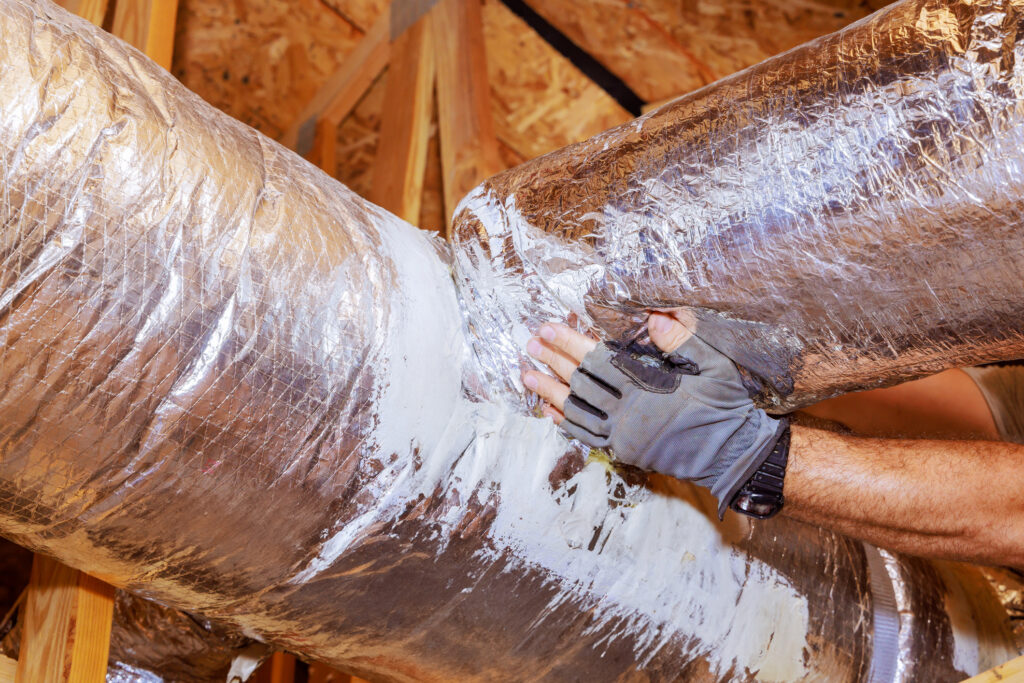
Why Ductwork Problems Show Up as Comfort and Cost Issues
Ductwork functions as the delivery system for heated and cooled air. When airflow becomes restricted or air escapes along the way, conditioned air never reaches its intended spaces. There are discernible variations in comfort between rooms as a result of this imbalance.
Cost issues soon follow comfort issues. The HVAC system runs longer cycles to make up for leaks in the ductwork or airflow restrictions. This longer runtime increases energy consumption and accelerates wear on system components, and the heating service overview explains how airflow problems can affect heating performance during peak winter demand.
Extreme seasonal temperatures in Central Iowa put additional strain on duct systems. Ductwork problems that go undetected in milder climates are frequently revealed by cold winters and scorching summers.
Signs Your Ductwork Is Leaking
Leaking ductwork allows conditioned air to escape into unconditioned spaces, reducing efficiency and comfort throughout the property. What begins as minor seepage turns into steady loss across hidden pathways. A room that fails to maintain the set temperature often indicates an issue. Where one zone feels just right, another might still be overly hot or unexpectedly cold.
A rise in energy expenses typically follows. When conditioned air leaks out, the equipment must run more hours to hold steady indoor conditions, resulting in steeper monthly power charges, and reviewing the air conditioning service overview can help confirm whether the issue is airflow loss or cooling equipment performance.
A breach in the system can draw contaminants indoors, carried along by escaping air currents. Air quality often declines when gaps suck in particles from surrounding spaces. Dust finds its way inside whenever leaks act like invisible channels. Unsealed joints become entry points, allowing dirt to enter what should be clean circulation. What escapes through cracks pulls pollutants right behind it.
Common signs of leaking include:
- Uneven temperatures between rooms
- Rising energy bills
- Excessive dust buildup
- Weak airflow from vents
Signs Your Ductwork Is Undersized or Poorly Designed
Undersized ductwork cannot move enough air to meet the demands of your HVAC system. Older residences or structures that have undergone renovations without duct adjustments are frequently affected by this problem.
The most uncomfortable rooms are frequently those that are farthest away from the air handler. During the hottest or coldest seasons, these areas may struggle to maintain a constant temperature.
Additionally, noise may indicate inadequate duct design or sizing. Air is being driven through ducts that are too tiny for the necessary airflow, as indicated by whistling or rushing noises coming from vents.
Poor duct design may also cause:
- Persistent hot and cold spots
- Inconsistent airflow throughout the building
- Reduced system efficiency
When these problems continue despite normal equipment operation, it helps to schedule an appointment so airflow can be evaluated and the duct layout can be reviewed against what the system needs to deliver.
Signs Your Ductwork Is Failing or Damaged
Deterioration happens gradually in ductwork as years pass. Loose connections begin to form, worn insulation loses effectiveness, and air movement suffers as structural elements thin out. Material fatigue creeps in quietly, reducing efficiency without obvious signs at first.
Where problems occur near accessible parts of the ductwork, deeper issues are usually present. Ducts that hang too low or connections that pull apart disrupt airflow and affect room temperatures. Airflow weakens when pathways split or droop.
Moldy smells near vents often signal hidden dampness inside ductwork. When humidity lingers, indoor air quality worsens, and metal joints corrode faster. A musty hint today might mean bigger issues tomorrow, and reading customer reviews can help set expectations for what a professional evaluation typically finds.
Additional warning signs include:
- Sagging or unsupported duct sections
- Loose or disconnected joints
- Musty or stale odors from vents
- Irregular system cycling
What Causes Ductwork Leaks and Failures in Iowa Homes
Duct issues in Central Iowa often stem from multiple sources. Older installations, particularly those predating current codes, face challenges due to outdated materials. Time weakens joints, allowing leaks where conditioned air escapes into unoccupied spaces.
Construction methods once accepted now fall short of efficiency expectations. Many homes built decades ago lack proper vapor barriers or durable sealants. These gaps grow worse without routine inspection. Performance drops when airflow is compromised by deterioration. Systems originally sized correctly become mismatched over time. Environmental stress adds strain during extreme seasons. Even minor flaws multiply under constant operation. When seasons shift, temperatures rise or fall. These shifts cause materials to swell or shrink over time. Because of that, joints in air channels weaken slowly. As a result, small openings begin to form. Eventually, airflow escapes through these weak spots.
A single mistake during setup might cause problems years later. When ductwork is undersized or routed in awkward paths, air movement degrades over time. Skipping a check of existing channels before upgrading heating or cooling units usually makes things worse. Despite good intentions, changes made blindly tend to amplify hidden flaws. Humidity in Iowa often leads to moisture buildup inside duct systems. When moisture lingers, it weakens insulation layers and reduces material strength over time due to prolonged wet conditions. As a result, airflow efficiency declines as indoor comfort levels decline, and homeowners who want background on the people doing the work can learn about the team before scheduling.
What to Do Next if You Suspect Duct Issues
When comfort problems persist or energy costs rise unexpectedly, a professional evaluation provides clarity. Duct issues often remain hidden behind walls and ceilings, making expert assessment essential.
We evaluate the entire comfort system, including airflow and duct performance. This approach allows us to identify the true source of comfort issues rather than treating symptoms alone, and choosing maintenance plan options can help prevent small airflow problems from turning into repeat comfort complaints.
In some situations, options such as ductless air conditioning help resolve comfort challenges when existing duct systems limit efficiency. Evaluating all available solutions ensures the best outcome for your space, and checking current coupons and specials can help you plan service at the right time.
Professional Ductwork Solutions for Lasting Comfort
Ductwork problems often develop quietly, but their impact on comfort and operating costs grows over time. Recognizing the signs early helps protect efficiency, system performance, and indoor comfort. Beeline Heating and Cooling proudly serves Central Iowa with duct evaluations, airflow solutions, and heating and cooling services designed to restore reliability and comfort.
Contact Beeline Heating and Cooling today to schedule your service!
FAQs
The questions below address common concerns property owners have when dealing with ductwork and airflow problems. Understanding these answers helps you make informed decisions about comfort, efficiency, and system performance.