
Cold winter weather in Ames, IA, exerts constant strain on home heating systems. When the weather becomes colder, furnaces operate for long hours with minimal breaks. The added wear and tear increases the probability of unforeseen failure. During winter, comfort and safety can easily be concerns when heating problems arise.
At Beeline Heating and Cooling, we assist homeowners throughout Ames in getting their furnaces ready for winter. Regular maintenance and expert care prevent most heating issues. Learning what to look out for and when to book service during the coldest months helps keep your home warm.
Why Furnace Maintenance Matters in Ames Winters
Cold spurts and extended periods of freezing characterize Ames winters. During such seasons, furnaces work extra hard and longer to keep the indoors cozy. Prolonged runtime causes strain on components such as motors, burners, and airflow systems.
Minor issues can escalate into bigger problems with frequent maintenance. Reduced ventilation, worn electrical parts, or venting issues may not be immediately noticeable. In the long term, such problems can result in inadequate heating, increased power consumption, or a sudden system failure.
Routine furnace maintenance supports safe and reliable operation. It assists the system to respond better when the weather is freezing and minimizes the chances of mid-season failures. Regular maintenance also enhances comfort since it promotes a uniform temperature throughout the home.
Furnace Maintenance Checklist for Homeowners
A furnace maintenance checklist helps homeowners become aware of changes in system behavior since the last professional service visit. It can help you collect valuable information to share in a service appointment.
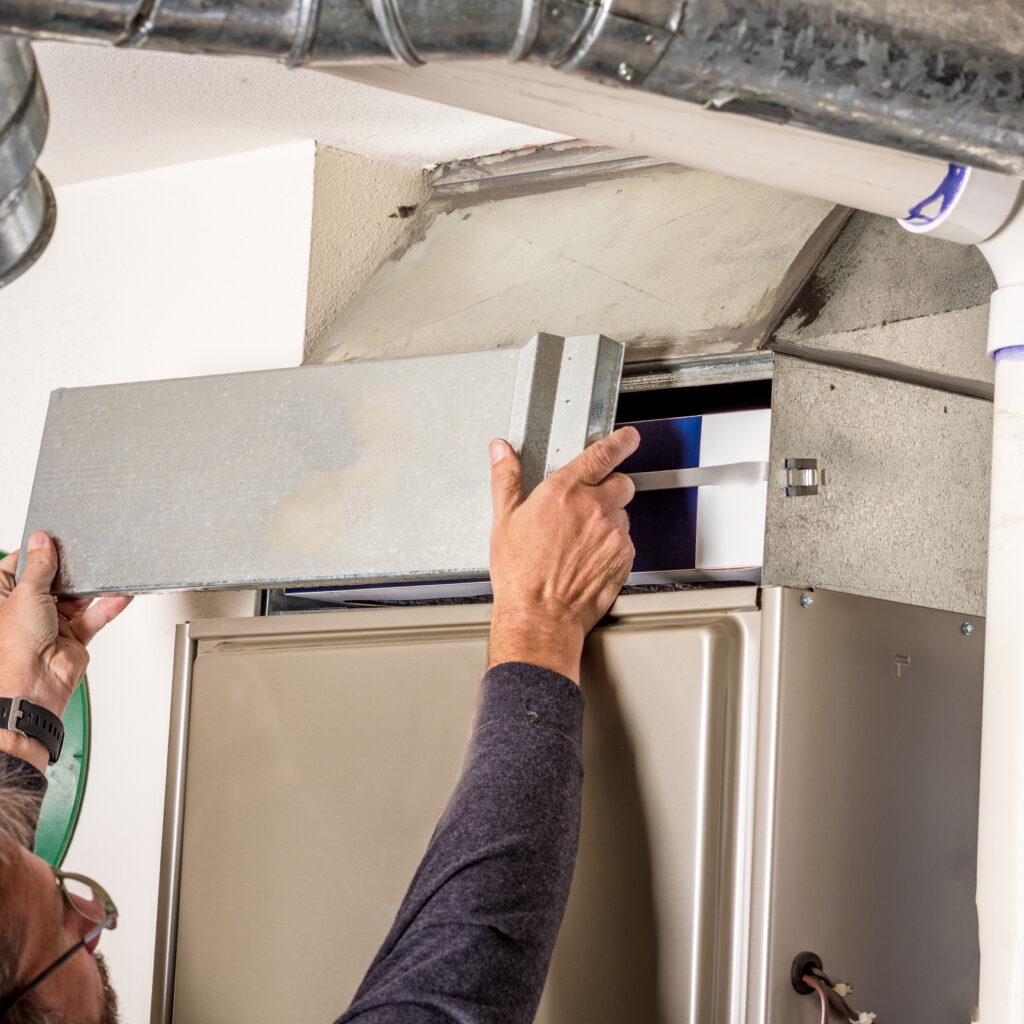
- Replace or clean the furnace filter, then confirm airflow improves.
- Make sure supply vents and return vents are open and not blocked by rugs or furniture.
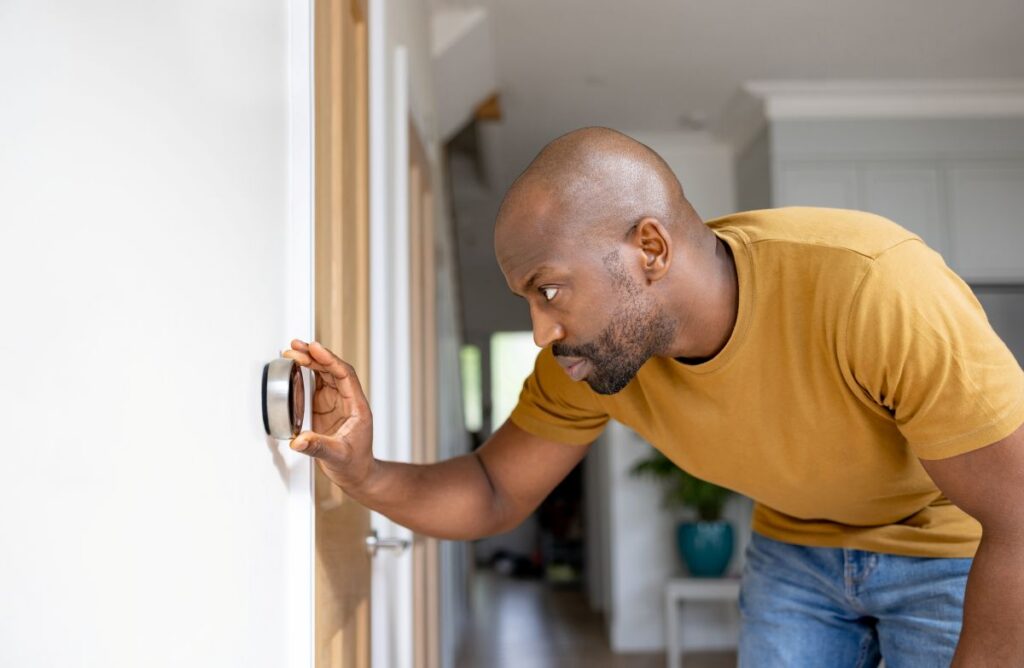
- Check the thermostat settings, schedule, and batteries if applicable.
- Listen for new sounds: rattling, squealing, grinding, or booming.
- Watch for performance issues: short cycling, weak airflow, uneven rooms.
- Check the area around the furnace for storage clearance and dust buildup.
- Inspect visible duct connections for loose sections or obvious gaps.
- Confirm the PVC vent pipes or metal flue look secure (do not disassemble anything)
- Look for water around the furnace and near the drain line (if present).
- Test smoke and carbon monoxide alarms, and replace batteries as needed.
- If you use a whole-home humidifier, confirm the setting and replace the pad if needed.
- Write down any symptoms to share during a service visit.
With the help of this checklist, you can always present clear information to technicians, helping them diagnose problems more effectively. Observing your furnace over several days during the winter season provides a more holistic view of performance and safety. Keeping vents clear, filters clean, and alarms tested maintains comfort and home safety during Ames winters.
What a Professional Furnace Tune-Up Covers
A professional furnace tune-up involves a thorough inspection beyond what a homeowner can perform. These steps focus on safety, system stability, and heating performance during winter conditions.
- Safety inspection of the heat exchanger and gas connections
- Combustion testing and venting verification
- Electrical component and control inspection
- Cleaning of internal components affecting airflow
- System performance testing and airflow verification
Technicians also examine blower motors and belts to ensure smooth operation and prevent unusual wear. System controls can be slightly adjusted to maximize efficiency. Not only does cleaning enhance the airflow, but it also reduces dust and allergens that spread in your home. Performance testing confirms that the furnace warms the rooms equally and effectively. When paired with your furnace maintenance checklist, these inspections enable professionals to identify problems at an early stage. A tune-up also provides peace of mind since you’ll know your furnace can handle long hours during extreme cold without compromising safety or comfort.
How Often to Schedule Furnace Maintenance
Most homes benefit from furnace maintenance once per year. Time is a significant factor in the reliability of the system and repair planning.
- Annual maintenance for consistent performance
- Fall service to prepare for winter demand
- Early scheduling to allow time for repairs
- Midwinter service for a missed maintenance
Although a furnace can seem to operate properly, an annual check-up enables the identification of unseen problems like small leaks, loose fittings, or worn components. Service negligence can reduce system lifespan and efficiency in the long run. Maintenance also ensures that safety features like carbon monoxide detectors are working well. In families with younger children, seniors, and pets, timely service avoids the inconveniences of heat delivery during drastic cold weather. Scheduling maintenance is also a way to minimize emergency calls.
Signs You Should Stop Troubleshooting and Call for Repair
Certain furnace issues demand urgent professional help. Cease checking the system, and contact us.
- Burning smells that do not fade after startup
- Repeated on-and-off cycling
- No heat during cold weather
- Loud mechanical noises, such as grinding or banging
- Tripping breakers linked to furnace operation
- Carbon monoxide alarms sound
Other indicators are abnormal temperature changes, too much condensation around the furnace, or a vent that is much colder than the rest. Trying to do DIY repairs under these circumstances can lead to safety hazards and further damage to parts. Observe and record these issues so that technicians can easily identify the problem and offer safe and effective remedies. A timely response helps to keep the system efficient and avoids failures. You can help ensure the reliability and safety of furnaces by being sensitive to these symptoms.
Contact us today to schedule furnace maintenance in Ames, IA, and keep your home ready for winter.
FAQs
During the heating season, homeowners often ask questions related to the care of a furnace. Here are answers to the issues we frequently hear in Ames, IA.
How often should I replace my furnace filter?
Depending on the usage and the interior conditions, most homes should change furnace filters every one to three months. Homes with pets, allergies, or higher dust levels also require frequent changes. A clean filter supports airflow and assists the furnace in running with fewer hiccups.
Is a burning smell normal when the heat turns on?
When dust burns off at the start of the season, you may notice a short burning smell. After a short run of the furnace, this smell ought to disappear. When the odor persists, it can indicate an issue that requires professional intervention.
Why does my furnace keep turning on and off?
Frequent cycling can indicate airflow obstructions, thermostat problems, or internal system malfunctions. These issues exert additional pressure on furnace parts and lower performance. A technician making a service visit can determine the cause and prevent additional wear.
Can poor airflow mean my furnace is failing?
Lack of proper airflow does not necessarily indicate that the furnace is failing, but you should not ignore it. The most common causes are dirty filters, duct leaks, or blower issues. Early service corrects these issues before they require major repairs.